Pacing, ambiguity checks, and dispute rules
Running a smooth trivia evening has less to do with stage banter than with crisp preparation. When a host catches an ambiguous phrasing twenty minutes before kickoff and states the house rules on spelling upfront, the room relaxes and plays hard.
The Four-Point Clue Check Before Showtime
Read every question aloud once before the lobby opens. Clues that look tidy in silent draft form often reveal tongue-twisting clauses or missing qualifiers when spoken.
- Check qualifiers: Does the stem specify whether you want a sovereign nation, an island, a composer, or a character name?
- Test reverse lookup: Take your intended answer and verify whether another prominent record shares the exact description you wrote.
- Prune double negatives: Replace "Which of these is not unmentioned in..." with plain direct phrasing.
- Flag phonetic spellings: For typed rounds, decide in advance whether phonetic misspellings count as full credit.
Spending ten minutes on this check prevents ninety percent of mid-game challenges.
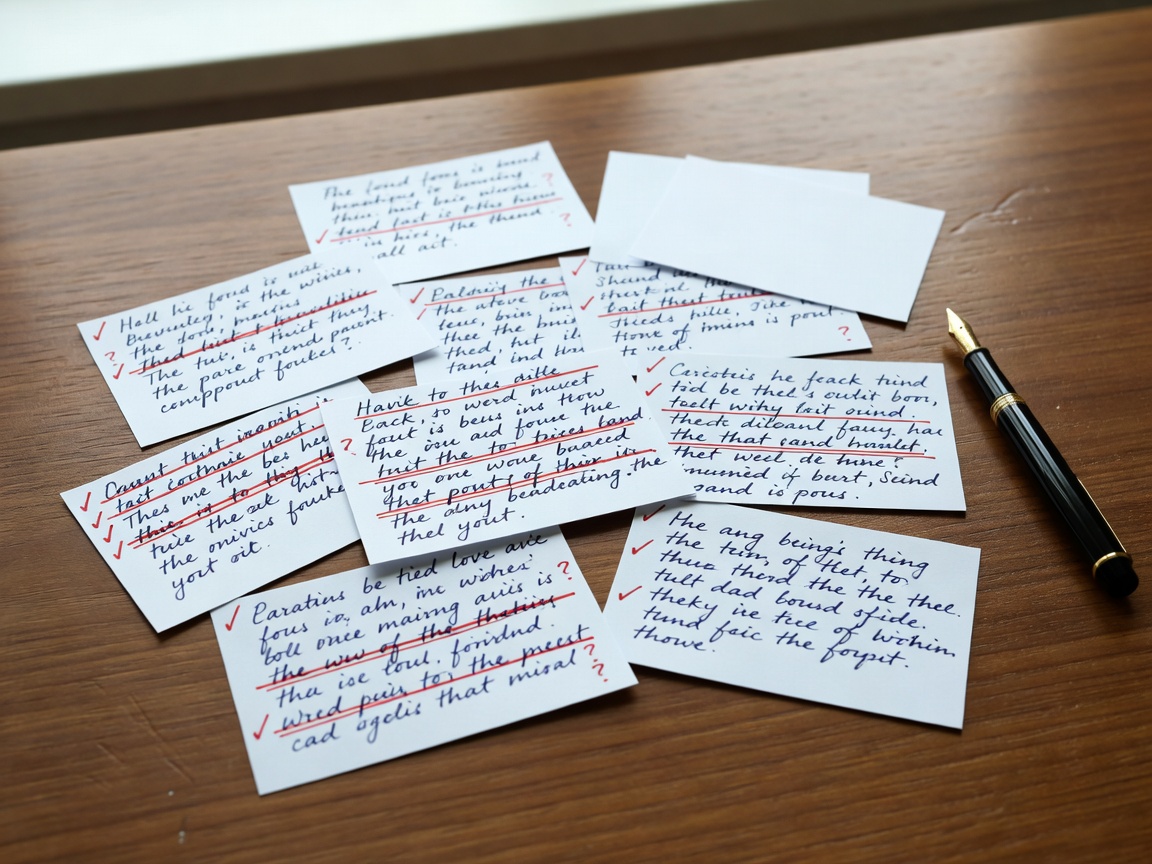
One aloud read-through catches phrasing traps before a single score is recorded.
Keeping a Five-Round Evening Moving
Momentum dies during dead air between rounds. A tight forty-question online quiz should wrap in roughly seventy-five to ninety minutes, leaving space for a five-minute intermission after round three without dragging past bedtime.
Read each clue twice at a measured pace, post the written stem in the chat or screen overlay simultaneously, and keep team discussion windows consistent—forty seconds for standard prompts, sixty seconds for multi-part picture or audio clues. Collect sheets immediately at the bell, read answers briskly with one sentence of context, and post updated standings only after rounds two, four, and five.

Consistent discussion clocks keep the gap between rounds short and lively.
Clear Rulings When Answers Sit on the Edge
Sooner or later, a sharp player submits an answer that is technically defensible or phonetically close. Establishing a written house policy before round one keeps rulings consistent and free of favoritism.
| Edge Case | Recommended Ruling | Rationale |
|---|---|---|
| Phonetic spelling error ("Rejkyavik" for "Reykjavik") | Accept full credit unless the prompt explicitly tests spelling | Trivia tests knowledge recall, not keyboard proofreading |
| Surname only when first name was requested | Accept surname only unless two notable figures share it in the same field | Avoid pedantry; require full name for shared names like Bronte or Curie |
| Genuine source conflict (two encyclopedias differ) | Award credit for both documented answers or void and replace the item | Never penalize a player for consulting a reputable reference |
| Late submission after the timer closes | Disallow unless a verified platform outage delayed every room | Protects teams that locked in before the buzzer |
Verifying Facts Without Chasing Rumors
Never write a trivia clue from memory alone, and never rely solely on an unattributed social post or a passing mention in an old quiz thread. Cross-check dates, capitals, chemical symbols, and biological classifications against established primary references—national statistical offices, museum catalogues, international sporting federations, or standard print encyclopedias.
When a topic changes over time—such as newly admitted museum classifications, revised planetary moon counts, or changed national capitals—mark the revision date on your own master sheet so future reruns stay current. Have questions about how we verify material for this site? Visit About or browse FAQ.

Cross-checking two independent primary references keeps every answer key solid.